

Skip to content
ICON Equipment
0Get a Quote
Used equipment guide

What to Look for When Buying Used Construction Equipment

Evaluate used equipment by identity, hours, condition, service history, wear, attachments, operating test and support—not just price and paint.

Equipment Selection10 min readICON Equipment Resource Center

Used equipment can be an efficient way to add capacity, but the purchase should be evaluated as a working asset rather than a cosmetic one. Fresh paint is less important than machine identity, operating condition, maintenance history, wear and whether the unit fits the jobs your business needs to perform.

A structured inspection makes it easier to compare machines consistently and identify questions that should be answered before money changes hands.

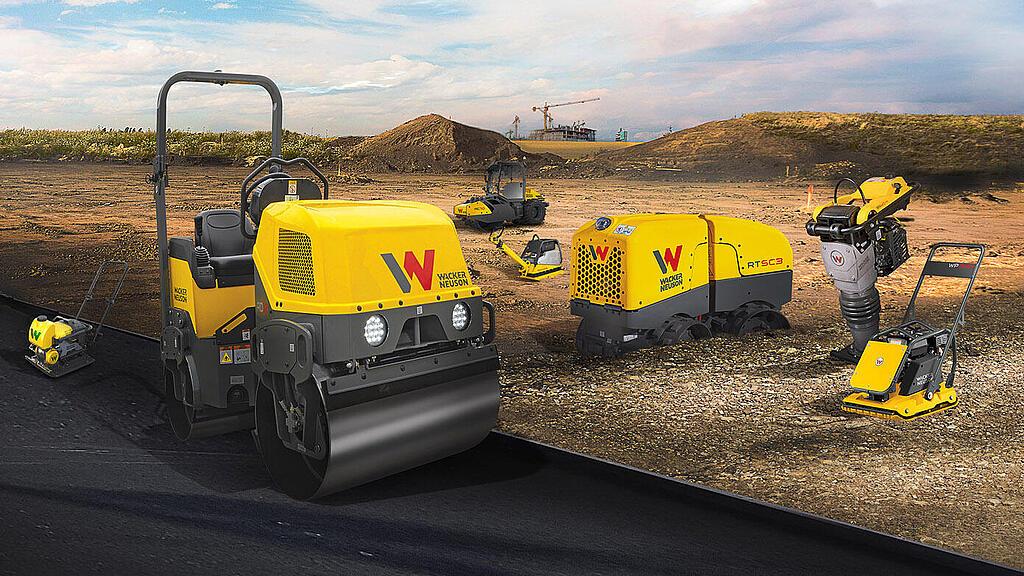
Construction equipment working in commercial conditions
Quick takeaways

What to keep in mind.

  • Verify the machine identity and hours before evaluating value.
  • Inspect wear points, leaks, structure, attachments and undercarriage or tires.
  • Operate the machine through the functions you expect to use.
  • Ask for maintenance and repair information when available.
  • Budget for immediate service or wear items after purchase.

Verify what the machine actually is

Record the year, make, model, serial/PIN and displayed hours. Compare those details with the seller's listing and any available records. For engine-related evaluation, record engine make, model and serial when accessible.

Check whether attachments, buckets, forks, couplers or other tools are included in the asking price.

Inspect wear and structural condition

Look for fluid leaks, damaged hoses, cracked welds, loose pins and bushings, bent components, missing guards and signs of repair. On tracked equipment, examine tracks, rollers, sprockets and idlers. On wheeled equipment, inspect tires and wheel-end condition.

Wear is expected on used equipment. The important question is whether the wear is consistent with the hours and price and whether upcoming repairs have been reflected in your budget.

Operate every major function

Start the machine cold when possible and observe starting behavior, smoke, warning lights and instrumentation. Bring systems to operating temperature and test travel, steering, braking, hydraulics, attachments, auxiliary circuits and other functions you expect to use.

Listen for abnormal noise and watch for leaks or temperature changes as the machine works.

Review service history and ownership context

Maintenance records can help explain how the machine was cared for and which major repairs have already been completed. If detailed records are unavailable, ask specific questions about recent service, recurring problems, component replacement and the type of work the machine performed.

Price the first year, not just the purchase

Add likely immediate maintenance, wear items, attachments, transport and compliance costs applicable to your operation. A lower purchase price can disappear quickly if the machine needs tracks, tires, hoses, fluids and overdue service as soon as it arrives.
Common questions

Questions to answer before the next step.

Are low hours always better?

Hours are useful, but condition, maintenance and application matter too. A lower-hour machine can still have poor maintenance or severe application wear.

Should I get a used machine inspected before buying?

A professional inspection can be valuable when the purchase is significant or when you do not have the internal expertise to evaluate the machine and its systems.

Put the information to work

Looking for a used machine or planning a trade?

Browse current used equipment or tell ICON what you need and what you may have available to trade.

Browse Used Equipment
Keep reading

Related equipment resources.

Search ICON Equipment

Search equipment, SKU, vendor/manufacturer part numbers, parts, service and brand information across ICON Equipment.