
Skip to content
ICON Equipment
0Get a Quote
Equipment comparison

Compact Track Loader vs. Skid Steer: Which Fits Your Operation?

Compare traction, ground conditions, travel, wear cost, transport and attachment work before choosing between a compact track loader and skid steer.

Equipment Selection8 min readICON Equipment Resource Center

Compact track loaders and skid steers can perform many of the same jobs, which is why the choice is often less about capability and more about the conditions in which the machine will work. The best answer depends on surfaces, travel distance, attachment use, maintenance expectations and how often the machine is transported.

Rather than deciding based on one specification, compare the entire operating environment. A machine that is ideal on soft soil may not be the most economical choice for long travel on hard pavement, while a tire machine that is efficient on improved surfaces may struggle where traction and flotation are the priority.

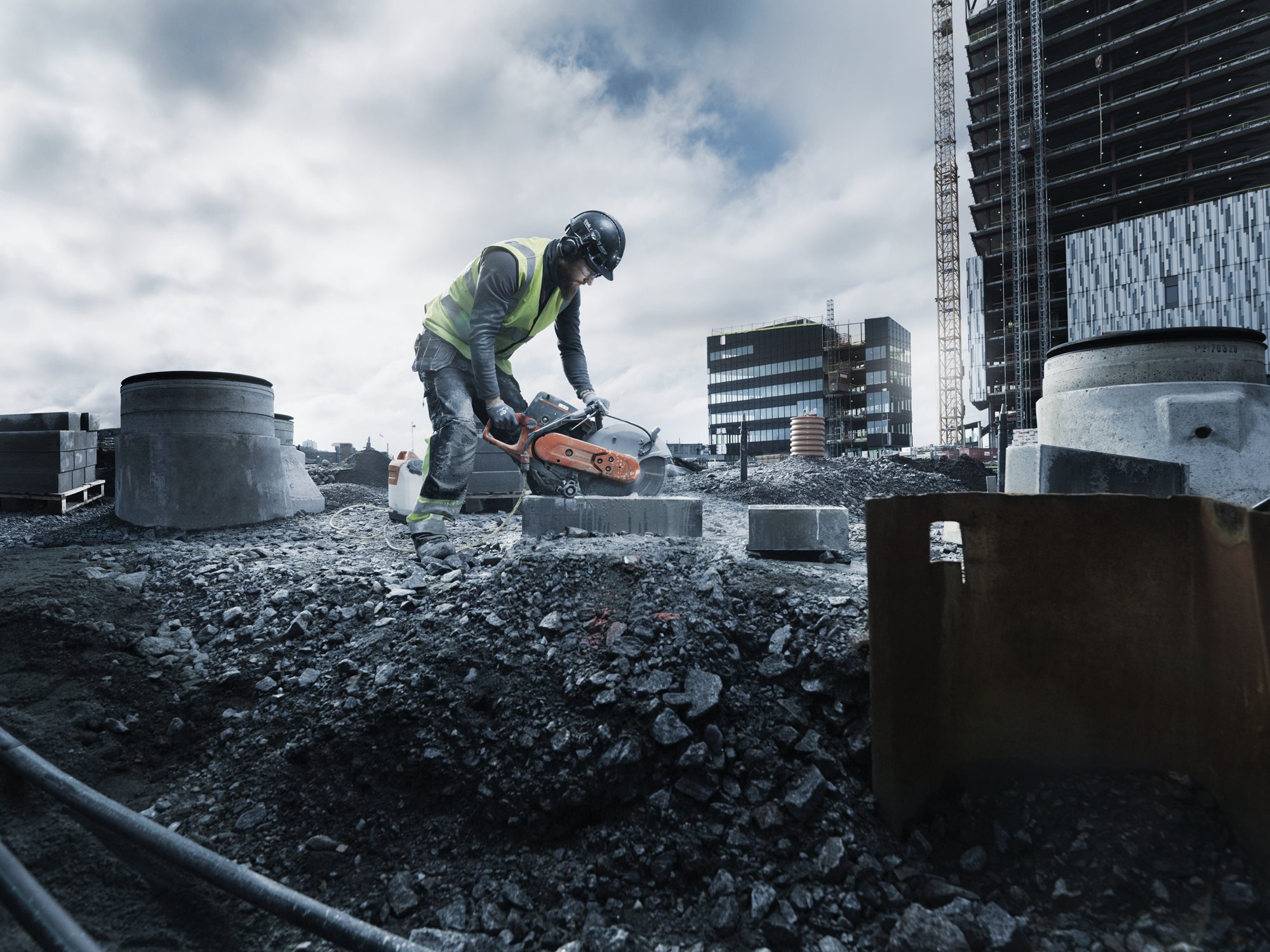
Commercial equipment working on a construction site
Quick takeaways

What to keep in mind.

  • Track loaders generally excel where flotation and traction are important.
  • Skid steers can make sense on firm surfaces and applications with more travel.
  • Undercarriage or tire cost should be considered alongside purchase price.
  • Attachment requirements can influence hydraulic configuration and machine size.
  • Operator visibility, service access and support matter for both machine types.

Compare the ground you work on

List the surfaces the machine sees most often: loose soil, gravel, mud, turf, concrete, asphalt or demolition debris. Tracks spread machine weight over a larger contact area and can improve flotation and traction on softer ground. Tires can be efficient on firm surfaces and applications with frequent travel.

If the machine moves between several surface types in the same day, estimate where it spends the most productive hours rather than choosing around an occasional extreme condition.

Think about travel and turning

Turning technique affects surface wear and undercarriage or tire life. Long travel across abrasive surfaces can be costly for a tracked undercarriage, while repeated tight turns can mark finished surfaces.

Map a normal work cycle: where the machine loads, how far it travels, where it turns and how often it repeats that cycle. That pattern is often more useful than a brochure comparison.

Match hydraulic capability to attachments

Cold planers, trenchers, brush cutters, breakers, augers and other powered attachments may require high-flow hydraulics or specific electrical controls. If your revenue depends on a particular attachment, choose the carrier around that tool rather than treating it as an accessory after the fact.

Budget for wear items

Tracks, rollers, sprockets, tires and other wear components are part of ownership. The operating environment, material, turning habits and travel all influence how quickly those items wear.

A higher wear-item budget can still be justified when the machine completes work faster or opens jobs that another machine cannot perform effectively.

Use a job-based comparison

Take two or three representative jobs and compare how each machine would perform. Include loading, grading, material movement, attachment work, cleanup and transport. If possible, put your regular operator in both machine types.
Common questions

Questions to answer before the next step.

Are compact track loaders always better in Arizona?

No. Soil, surface, travel and application matter more than geography alone. Hard-surface work can favor tires, while loose or uneven ground can favor tracks.

Can both machines run the same attachments?

Many attachments are available for both, but hydraulic flow, coupler type, electrical controls and machine capacity must be matched to the attachment.

Put the information to work

Need to compare loaders around your actual jobs?

ICON can help you work through surface conditions, attachments, transport and production needs before you choose a machine.

Compare Loader Options
Keep reading

Related equipment resources.

Search ICON Equipment

Search equipment, SKU, vendor/manufacturer part numbers, parts, service and brand information across ICON Equipment.