

Skip to content
ICON Equipment
0Get a Quote
Fleet planning guide

Repair or Replace? A Business Framework for Aging Equipment

Compare downtime, repair frequency, utilization, parts support, resale value and production needs before deciding whether to repair or replace an aging machine.

Fleet & Business9 min readICON Equipment Resource Center

The repair-or-replace decision is rarely answered by one repair estimate. A machine can be inexpensive to repair and still be costly to own if it fails repeatedly, lacks parts support or no longer produces enough work for the business. On the other hand, replacing a productive machine too early can tie up capital without improving operations.

A better decision combines mechanical condition with business impact. Look at what the machine costs when it is working, what it costs when it is down and what the next machine would change.

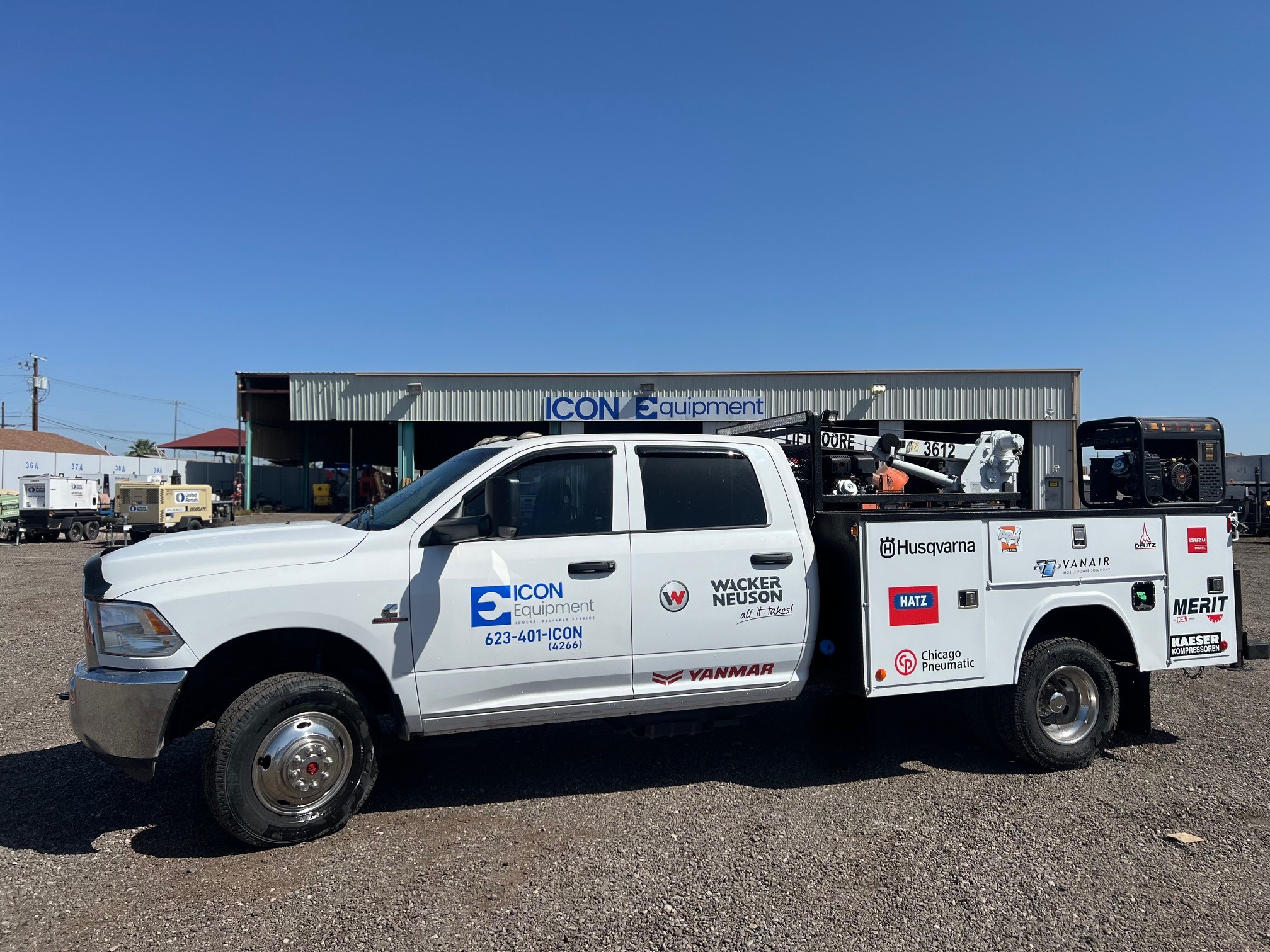
Commercial equipment supporting active business operations
Quick takeaways

What to keep in mind.

  • Compare repair history and downtime over time, not only the current invoice.
  • Measure how critical the machine is to revenue-producing work.
  • Consider parts availability and serviceability as the machine ages.
  • Estimate resale or trade value before a major repair changes the economics.
  • Replace equipment for a clear operational reason, not simply because it is old.

Start with repair history

Review the previous year or two of repairs, maintenance and downtime. Look for repeated failures in the same systems and for a pattern of increasingly expensive work. A single major repair does not automatically make a machine a poor asset, but repeated unplanned downtime can.

Separate normal wear-item spending from unexpected failures so you do not penalize a productive machine for maintenance it would need at any age.

Put a value on downtime

Ask what happens when the machine is unavailable. Does a crew wait? Can another unit cover the work? Do you rent a replacement? Does the project schedule slip? Downtime cost can be more important than repair cost for equipment that sits in the middle of a revenue-producing process.

Evaluate support and parts availability

An older machine can remain valuable when parts are available and technicians are familiar with the platform. Ownership becomes harder when critical components are obsolete, lead times are long or each repair requires custom sourcing.

Consider whether the machine still fits your current fleet standards. Standardizing engines, filters, attachments or controls can reduce complexity even when the older unit is technically repairable.

Compare the replacement to a business need

A replacement should solve something measurable: more capacity, less downtime, better access, lower transport burden, attachment compatibility or improved operator productivity. Compare the new machine against the actual bottleneck in your operation rather than assuming newer is automatically better.

Time the trade or sale deliberately

Trade value can change after a major failure or once a machine becomes difficult to demonstrate. If replacement is likely, get a realistic value before committing to a large repair. In some cases the repair improves value; in others it simply adds cost that the next owner will not fully pay back.
Common questions

Questions to answer before the next step.

Is there a percentage of machine value where I should automatically replace it?

There is no universal threshold that works for every business. Downtime, utilization, support, replacement cost and the machine's role in your operation all matter.

Should maintenance cost be included in the comparison?

Yes, but separate routine maintenance from abnormal repair spending. Every machine requires maintenance, including a new replacement.

Put the information to work

Trying to decide what to do with an aging machine?

ICON can discuss repair needs, current equipment options and trade-in information so you can compare the paths side by side.

Discuss Repair or Replacement
Keep reading

Related equipment resources.

Search ICON Equipment

Search equipment, SKU, vendor/manufacturer part numbers, parts, service and brand information across ICON Equipment.