
Skip to content
ICON Equipment
0Get a Quote
Engine service guide

Diesel Engine Warning Signs Equipment Operators Should Not Ignore

Recognize changes in starting, smoke, power, temperature, fluid consumption and warning systems before a small diesel-engine issue becomes a larger repair.

Maintenance & Service8 min readICON Equipment Resource Center

Diesel engines often give operators warning before a complete failure. The challenge is recognizing a change early and documenting it clearly enough for diagnosis. Hard starting, unusual smoke, loss of power, overheating, abnormal fluid use and new noises are all reasons to pay attention.

The symptom does not automatically identify the failed part. Modern equipment systems combine engine controls, fuel delivery, air management, emissions systems, sensors and machine loads. Treat the symptom as a starting point for diagnosis rather than a parts list.

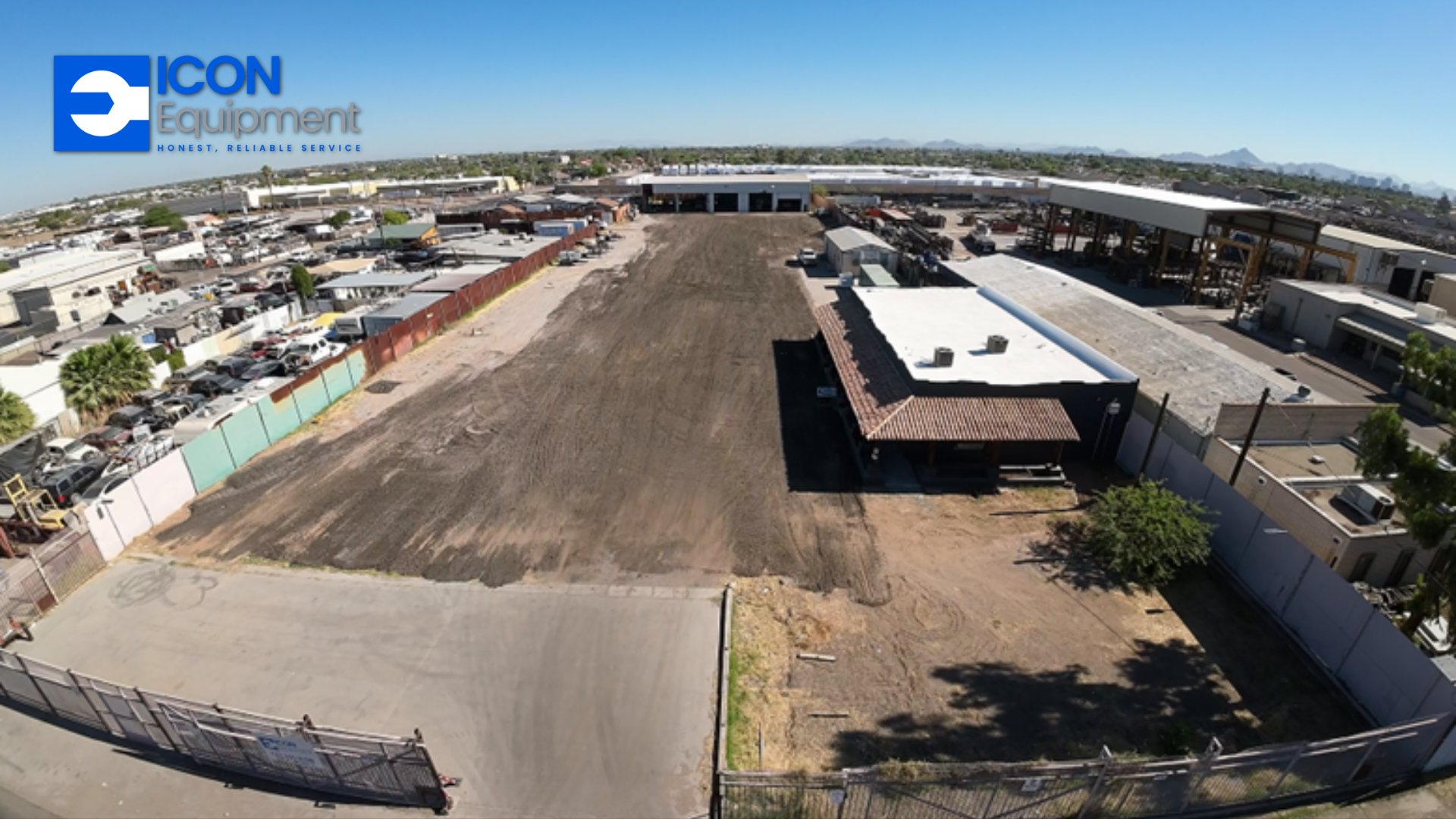
Commercial equipment service facility
Quick takeaways

What to keep in mind.

  • A change from the machine's normal behavior is more important than a generic rule of thumb.
  • Record when the symptom happens: cold start, hot restart, under load, idle or travel.
  • Photograph warning messages and fault codes before they are cleared.
  • Do not continue operating through overheating, severe knocking or major fluid loss.
  • Use qualified diagnostics instead of replacing parts based only on a symptom.

Hard starting or extended cranking

A machine that suddenly takes longer to start deserves attention. Starting problems can involve batteries, cranking speed, fuel supply, air in the system, temperature-related devices, sensors or other engine controls.

Note whether the problem occurs only when cold, only after the engine is hot or every time. That detail can materially change the diagnostic direction.

Changes in smoke

Smoke color and operating condition can provide clues, but smoke alone does not prove a specific failure. Record whether it appears at startup, under load, during acceleration or continuously. A short video showing the operating condition can be useful for a service request.

Power loss or slow response

Loss of power can come from the engine itself, fuel or air restrictions, electronic controls, aftertreatment conditions or the machine placing an abnormal load on the engine. If the machine has both engine and hydraulic symptoms, describe both rather than assuming the engine is the only problem.

Overheating

Repeated overheating is not something to work through. Check for obvious airflow restriction, debris and visible leaks according to the manufacturer guidance, but avoid opening a hot cooling system. Persistent temperature problems should be evaluated before they cause additional damage.

Abnormal fluid use, leaks or noises

Track oil and coolant consumption instead of topping off fluids without a record. A new leak, rapid consumption or change in exhaust can point to a developing problem. Knocking, sharp mechanical noise or a sudden change in vibration should also be treated seriously.
Common questions

Questions to answer before the next step.

Does black smoke always mean the engine needs injectors?

No. Smoke can have several causes, including air, fuel, load and control issues. Diagnosis should be based on the complete symptom set and machine data.

What should I send with a diesel service request?

Machine and engine identification, hours, fault codes, symptom description, recent service history, fluid-use information and photos or video when useful.

Put the information to work

Seeing a change in how your diesel equipment runs?

Start with the machine information and symptoms so ICON can help evaluate the next service step.

Request Diesel Service
Keep reading

Related equipment resources.

Search ICON Equipment

Search equipment, SKU, vendor/manufacturer part numbers, parts, service and brand information across ICON Equipment.