When mobile service makes sense
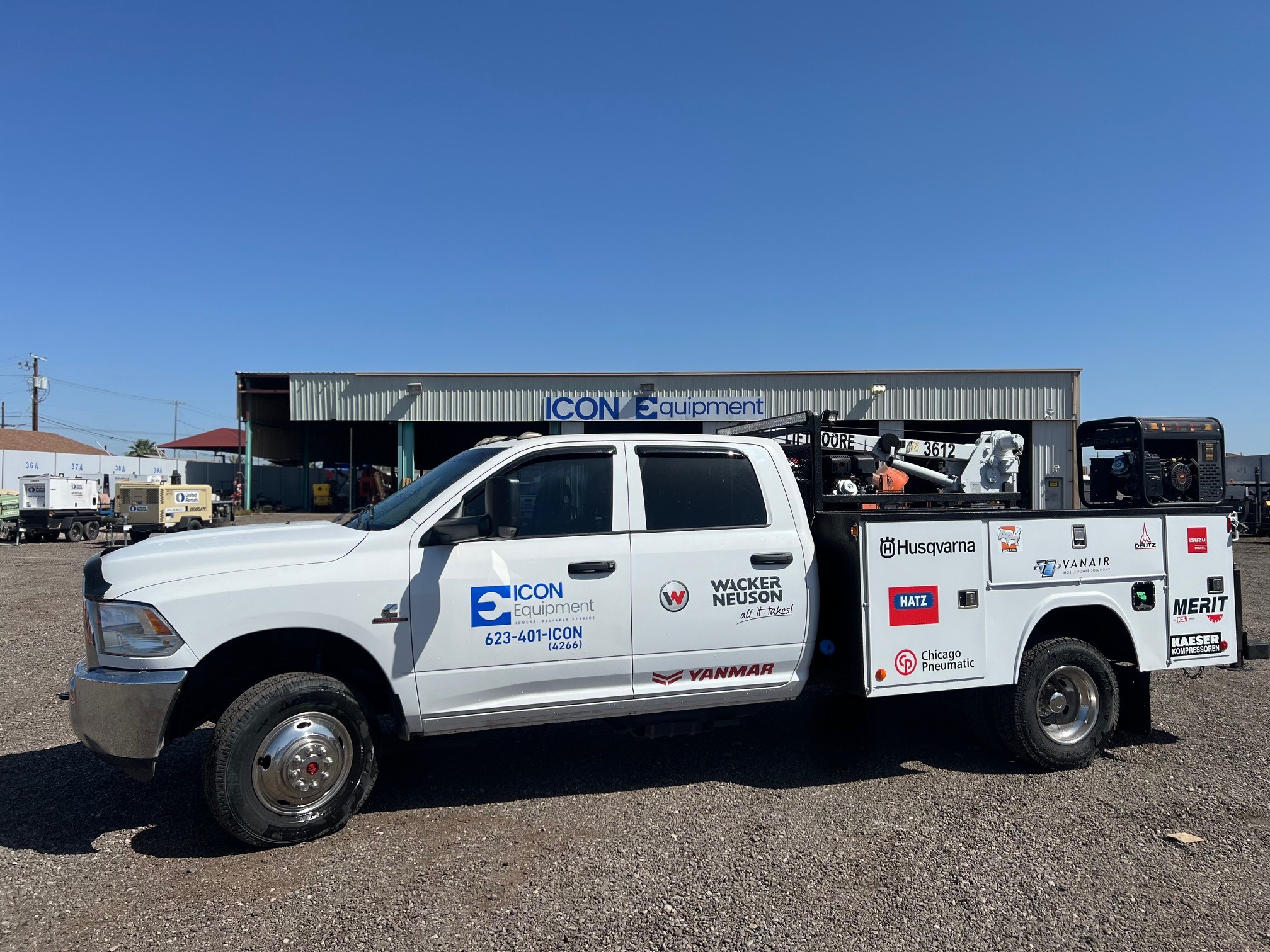
Field service is often useful when a machine cannot move, transport requires significant coordination or the likely work involves diagnosis, routine maintenance or a repair that can be completed with mobile tools and parts. It can also help fleets complete maintenance at their operating location.
When the shop may be better
Major disassembly, component rebuilding, work requiring overhead lifting or repairs that need a clean controlled environment may be more efficient in a shop. The same can be true when diagnosis reveals several systems that need attention and access to more tools or parts will reduce total repair time.
Describe the jobsite accurately
Field-service planning depends on more than an address. Note gate access, surface conditions, indoor or outdoor location, equipment mobility, site hours, check-in requirements, PPE rules and whether there is enough room for a service vehicle and safe work area.
Include the business urgency
Tell the service team whether the machine is completely down, operating with a fault or due for planned maintenance. If the unit is blocking a crew or critical project activity, explain that context.
Let diagnosis determine the final path
A service request can begin as mobile work and still move to the shop if the fault requires more extensive repair. The goal is to choose the path that gets the equipment back to reliable operation efficiently and safely.