
Skip to content
ICON Equipment
0Get a Quote
Maintenance guide

A Practical Preventive Maintenance Checklist for Commercial Equipment

Build a repeatable equipment maintenance routine around inspections, fluids, filters, cooling, wear items, documentation and operating hours.

Maintenance & Service9 min readICON Equipment Resource Center

Preventive maintenance works best when it is simple enough to repeat. A fleet does not need a complicated spreadsheet that nobody updates; it needs clear daily checks, scheduled maintenance based on the manufacturer's instructions and a reliable way to record what was found and what was repaired.

The exact intervals and procedures are machine-specific, so always follow the manufacturer manual. The framework below helps owners and fleet managers organize the work around the equipment instead of waiting for a failure to decide what to inspect.

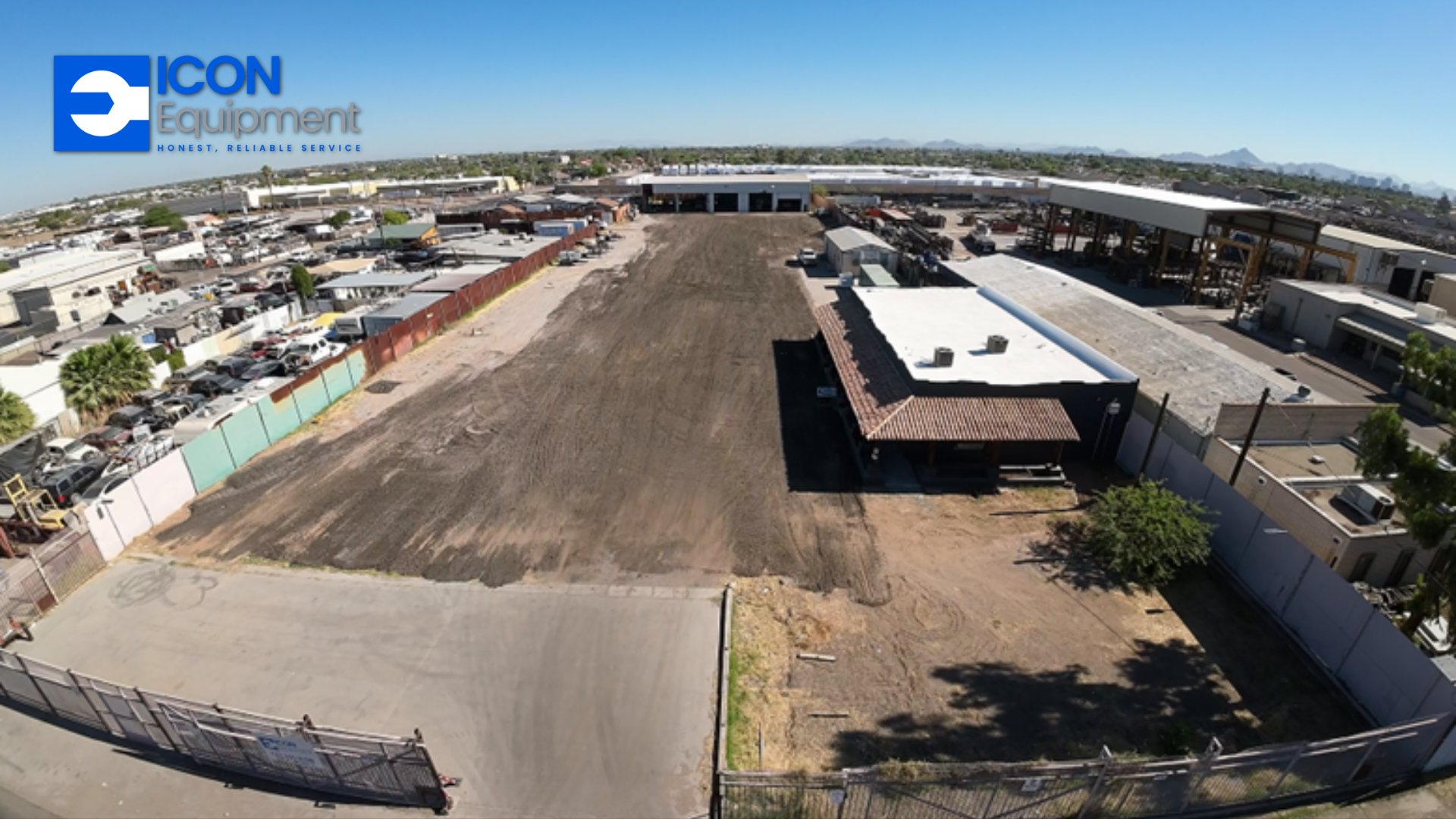
ICON Equipment service facility in Phoenix
Quick takeaways

What to keep in mind.

  • Use the manufacturer schedule as the authority for maintenance intervals.
  • Separate daily operator checks from scheduled technician service.
  • Record hours, findings and repairs so recurring issues are visible.
  • Address leaks, overheating and abnormal noises before they become larger failures.
  • Stock common filters and wear items for machines that create the most downtime risk.

Make daily inspections fast and specific

Operators are often the first people who can spot a change. A daily walk-around should be short enough to complete consistently and specific enough to catch meaningful problems. Look for fluid leaks, damaged hoses, loose hardware, track or tire damage, missing guards, cracked attachments and anything that has changed since the previous shift.

Start the machine and pay attention to warning lights, unusual smoke, abnormal sound, slow hydraulic response and temperature behavior.

Track hours and service intervals

Operating hours are a common trigger for maintenance tasks. Record them consistently and create a process that flags upcoming service before the interval is reached. If equipment sits for long periods or works seasonally, calendar-based checks may also matter.

The goal is to schedule maintenance when the business can plan for it instead of discovering an overdue service during the busiest week of the season.

Pay attention to heat, cooling and airflow

Commercial equipment works in dust, debris and high ambient temperatures. Keep cooling packages, air inlets and screens clear according to the manufacturer instructions. Inspect belts, hoses and coolant-related components for signs of wear or leakage.

Repeated overheating is not a normal operating condition and should be diagnosed before it creates additional damage.

Build a fluid and filter routine

Engine oil, hydraulic fluid, fuel filtration, air filtration and other service items should be handled according to the machine and engine manufacturer requirements. Use the correct specification and document the service date and hours.

When filters or fluids show unusual contamination, treat that as information worth investigating rather than simply replacing the item and returning the machine to work.

Use records to improve fleet decisions

A maintenance record becomes more useful over time. Repeated hose failures, recurring electrical faults or unusual wear can reveal how the machine is being used and whether repairs, operator training or replacement planning are needed.

For businesses with multiple machines, consistent records also make it easier to compare ownership cost and identify which units deserve the most attention.
Common questions

Questions to answer before the next step.

How often should commercial equipment be serviced?

Follow the maintenance interval in the equipment and engine manufacturer's manuals. Intervals can vary by machine, application and operating conditions.

What should operators report immediately?

Leaks, warning lights, overheating, unusual smoke, abnormal noises, sudden loss of power, steering or braking issues, damaged safety components and any condition that makes the machine unsafe to operate.

Put the information to work

Want help planning maintenance around your equipment?

Send ICON the machine information, hours and service history you have so the service conversation starts with the right context.

Start a Service Request
Keep reading

Related equipment resources.

Search ICON Equipment

Search equipment, SKU, vendor/manufacturer part numbers, parts, service and brand information across ICON Equipment.